


Which sedan has the smarter everyday tech for Waukesha, WI drives — the 2026 Honda Accord or Hyundai Sonata?
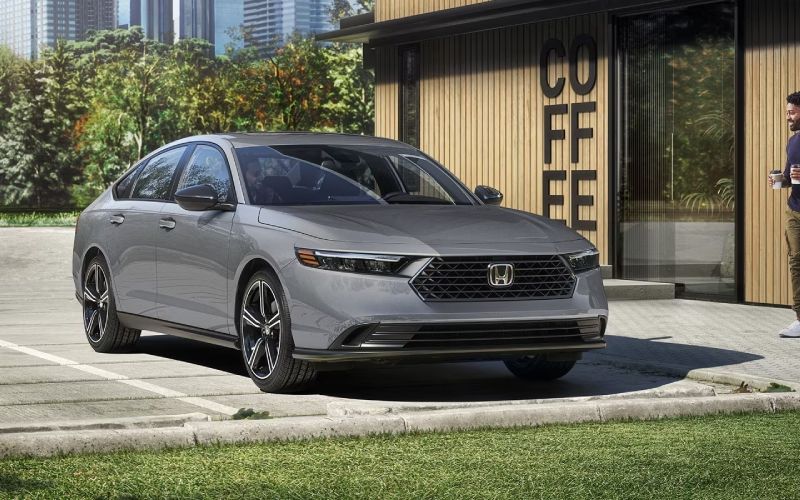
Russ Darrow Honda – Which sedan has the smarter everyday tech for Waukesha, WI drives — the 2026 Honda Accord or Hyundai Sonata?
When shoppers ask which midsize sedan offers the more intuitive, day-to-day technology for commuting and family use, the conversation often narrows to two heavy hitters: Honda’s Accord and Hyundai’s Sonata. Both pack large displays, wireless smartphone integration, and robust driver-assistance suites. But the experience you have from the driver’s seat—how naturally menus flow, how clearly information is presented, and how reliably the systems support you—determines whether that tech truly makes life easier around Waukesha, WI. Below we’ll unpack the features that matter in real-world driving and explain why many owners feel Honda’s approach strikes the better balance between sophistication and simplicity.
Start with the fundamentals: clear visuals and minimal distraction. Sonata’s available panoramic curved display creates a dramatic dual 12.3-inch sweep across the dash, presenting infotainment and instrument data in one continuous arc. It looks upscale and is easy to read, especially at a glance. Honda takes a slightly different route—hybrid trims receive an extra-wide 12.3-inch touch-screen paired with a 10.2-inch digital instrument cluster. This arrangement keeps media, maps, and vehicle settings forward and prominent, while speed, range, and alerts remain dedicated in the cluster. The benefit is cognitive simplicity: your eyes learn exactly where to find the right data, reducing the micro-moments of hunting that add up across an entire week of commuting and errands.
Where the day-to-day difference grows is in how deeply native software is integrated. On Touring Hybrid, Honda offers Google built-in, which means Google Assistant voice control and Google Maps are baked directly into the vehicle. You can say “Hey Google” to set a destination, adjust climate settings, or send a message without picking up your phone. Updates and app access via Google Play keep the system feeling current. Wireless Apple CarPlay® and Android Auto™ are standard across the lineup, so your preferred ecosystem slips in seamlessly if you’d rather mirror your phone. Sonata, by contrast, emphasizes its Bluelink+ connected services and delivers wireless smartphone mirroring on modern trims, which is excellent. But it lacks the native Google built-in layer, so you’ll be relying on phone mirroring more frequently for that tight integration of apps, voice, and navigation.
Audio and voice clarity matter as much as screen layout. Accord Touring Hybrid’s Bose Premium Sound System with Centerpoint processing spreads a convincing stereo image, making podcasts easier to follow and music more engaging at lower volumes. Sonata offers Bose as well on select trims, and it sounds strong. The distinction again comes down to the way the cabin supports the system. Honda’s emphasis on isolation—quieter powertrains and added insulation—means you can keep volume modest and still hear detail when rolling over coarse pavement or concrete seams.
What about ease-of-use for common tasks? The best test is to perform three things you do every day—route to a new coffee spot, adjust driver assists, and add a quick call—and see which sedan makes each step feel natural. In the Accord, the menu structure is designed for shallow navigation: map and audio tiles live up front on the 12.3-inch screen, and the digital cluster can display turn-by-turn on Touring Hybrid, so you reference directions in your natural sightline. Driver-assist settings, like steering support sensitivity or audible alerts, are accessible without getting lost in layers. In the Sonata, the curved display’s width affords plenty of space for widgets and quick controls, and Hyundai SmartSense gives you ample customization, too. Still, the need to handle certain tasks through phone mirroring more often in Sonata can add small steps—acceptable for some, but a touch less seamless if you’re after the fewest taps and scrolls.
Driver assistance is where preferences get nuanced. Both sedans provide comprehensive suites—Honda Sensing® and Hyundai SmartSense—to help with braking, lane positioning, and cruise functions. The Accord adds Traffic Jam Assist as part of its lane keeping support, helping the vehicle remain centered even in slower, denser traffic. Touring Hybrid also projects key status information with a Head-Up Display, so speed, navigation prompts, and assist states appear within your forward view. Sonata’s Highway Driving Assist is a capable system that shines on open stretches and is available on particular trims. If your routine blends arterial traffic, ramps, and the occasional freeway sprint, the Accord’s combination of TJA and a calmer alert cadence tends to feel a bit less intrusive and more confidence-inspiring day after day.
There’s also a comfort angle to technology that’s easy to overlook: how well the seating and cabin support longer sessions with those systems. The Accord’s body-stabilizing front seats help your spine and pelvis stay aligned, which indirectly makes using a large display and following a route less tiring, especially on longer trips across town. Sonata’s seats are supportive and stylish, too, but the specific contour and firmness balance in Honda’s seats can make a noticeable difference late in the week when you’ve tallied up more hours behind the wheel than you realized.
Finally, think about long-term satisfaction. OTA updates and evolving app ecosystems help, but consistent ergonomics and low learning curves do the heaviest lifting. Honda’s approach to controls and information flow favors predictability. Even as you add features—wireless charging, parking sensors, and, on Touring Hybrid, a Head-Up Display—the interaction model stays familiar. Hyundai’s tech-forward posture brings eye-catching hardware and a generous feature set. Yet for many owners who want the cleanest path from intention to action—speak, tap once, get it done—the Accord’s human-machine interface feels more dialed in.
So, which sedan has the smarter everyday tech for Waukesha, WI drives? If you prioritize native integration, minimal steps to common tasks, and driver aids tuned for mixed urban and suburban traffic, the Accord—especially in Touring Hybrid—makes the case with Google built-in, a focused display strategy, and calm, polished assist behavior. If you like a dramatic screen aesthetic and plan to lean on phone mirroring most of the time, Sonata’s panoramic curved display and SmartSense features remain compelling.
As you research further, keep these comparison steps in mind:
- Map a new destination using only built-in voice controls in each sedan, then repeat using wireless Apple CarPlay® or Android Auto™.
- Adjust lane-centering and alert volume preferences while parked, and note how many steps are required.
- Play a familiar playlist at the same volume in both Bose systems to gauge clarity and low-volume detail.
Each exercise reveals how naturally a car’s technology aligns with your habits. If you come away preferring native voice and the fewest taps to reach common settings, the Accord’s interface likely fits your rhythm. If you’re a power user who loves screen real estate and doesn’t mind leaning on phone mirroring, Sonata’s layout could be your style.
Ready to try both approaches in one visit? Russ Darrow Honda is serving Greenfield, Waukesha, and West Bend with knowledgeable guidance on how these features work in real traffic, not just on a spec sheet. Bring your phone, your podcast queue, and a couple of real-life errands—you’ll know in a single afternoon which tech philosophy feels like it was built for you.
Frequently Asked Questions:
Do I need my phone to use navigation in the Accord’s Touring Hybrid?
No. Touring Hybrid features Google built-in, so Google Maps runs natively on the vehicle. You can still use wireless Apple CarPlay® or Android Auto™ if you prefer your phone’s apps.
Does Sonata’s panoramic curved display make it easier to use?
It’s visually striking and keeps a lot of information in view. Ease-of-use depends on your preference—Honda separates cluster and touch-screen to reduce visual clutter, which some drivers find simpler for daily tasks.
Which driver-assist features help most in mixed traffic?
Both sedans have comprehensive suites. Accord’s Traffic Jam Assist and the available Head-Up Display help reduce workload by keeping the car centered and key info within your sightline, which many commuters appreciate.
0 comment(s) so far on Which sedan has the smarter everyday tech for Waukesha, WI drives — the 2026 Honda Accord or Hyundai Sonata?